

 Max Veenhuyzen
The pleasure of dining in Tokyo isn’t measured in absolutes, but possibilities. It’s about the izakaya you stumble across while searching for that TikTok famous tonkatsu joint. It’s about making friends with bartenders and taking their advice on where to get an excellent Sazerac. It’s about having the courage to order unknown pickles, fish species, pig bits and other untranslatable menu items.
Like Paris, New York or London, Tokyo would require multiple lifetimes to fully explore, so thinking you’ll be able to see it all in one go is a guaranteed way to drive yourself mad. (For a start, criss-crossing the city by train, which is absolutely the way to go, will take much longer than you think.) Our advice: leave your FOMO at home, book a couple of places if you must, but trust the process, and let the diversity of one of the planet’s great food cities come at you. Should all else fail, rest easy knowing that the city’s legendary konbini have your back (and stomach).
These recommendations steer clear of impossible-to-book places in favour of more approachable addresses that capture Tokyo’s many moods, running the gamut of high-end dining, casual deliciousness, tradition and innovation. Commit some rudimentary Japanese to memory and don’t be afraid to use it. But most important of all, be open to possibilities.
9 places to eat and drink your way through Tokyo
- Best for East-meets-West wining and dining.
- Best for a primer on Japanese pizza culture.
- Best for a singular, personal Japanese café excursion.
- Best for grilled-things-on-sticks.
- Best for Ginza tradition without Ginza prices.
- Best for cave du vin hijinks, Tokyo-style.
- Best for fried-to-order burgers.
- Best for contemporary kaiseki thrills.
- Best for pre-dinner snacking and sipping.
Sushi M, Minato
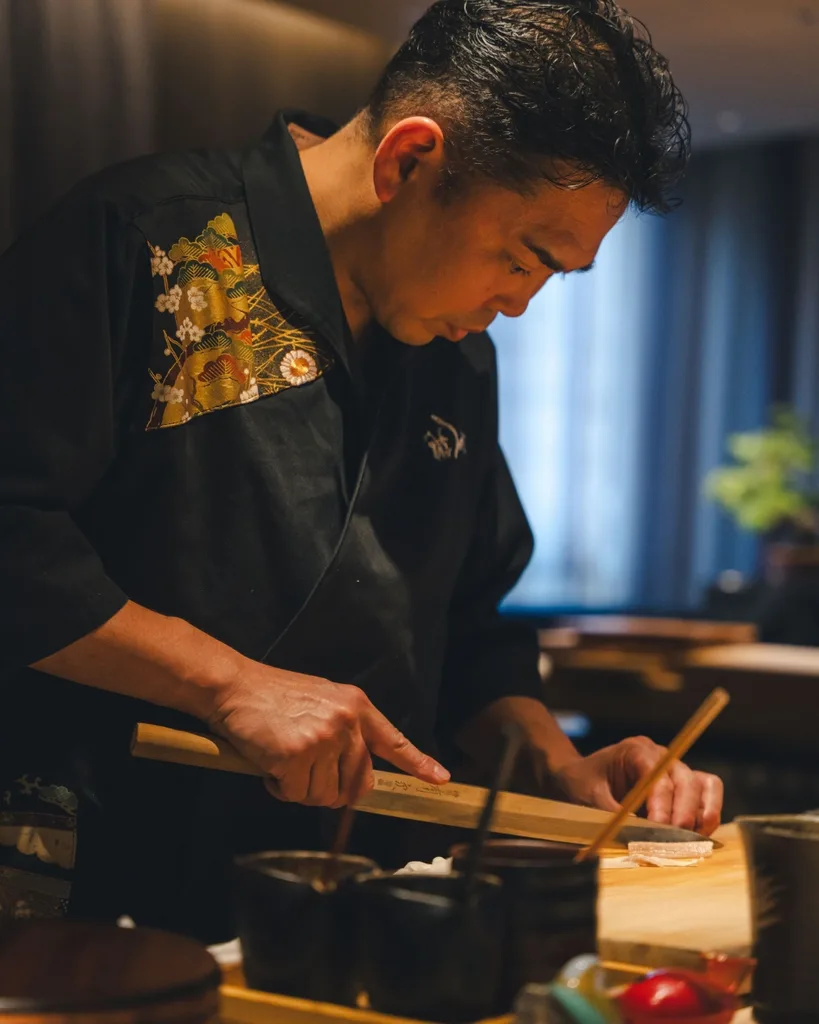
A decade as head sommelier of influential French-Japanese fine-diner Narisawa gave Yoshinobu Kimura an ideal foundation for opening Sushi M: an intimate, contemporary sushi den whose raison d’être is exploring the synergies between Japan’s most famous dish and the wide world of booze. Taking his cues from the handiwork of chefs Hideo Omori and Shunsuke Matsuzawa, Kimura’s hit-rate suggests he might just be Tokyo’s best matchmaker. Unpasteurised sake emphasises the sweetness of raw prawns; oxidative, skin-contact Burgundy matches the thrust of gizzard shad; while rare teas and creative non-alcs ensure teetotallers aren’t forgotten.
Pizza Marumo, Ebisu
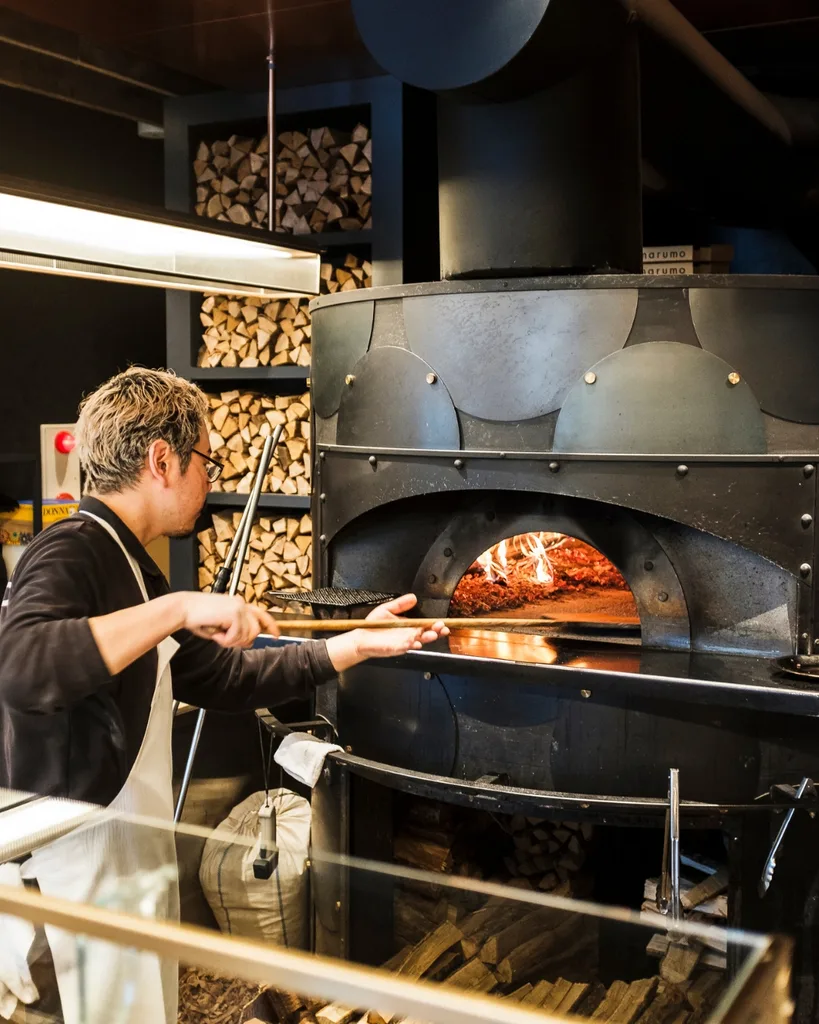
Yuki Motokura, like many key Japanese pizzaiolos, graduated from Tokyo’s legendary Savoy so it makes sense that his elegant pizzeria, Pizza Marumo, has much in common with his old workplace. (Think flavourful wood-fired pizze of impressive lightness; a stark, vaguely steampunk oven; plus a global clientele whose demand for bookings far exceeds this 32-seater’s supply.) But Motokura brings lots of original ideas to the party, too. His repertoire includes cream-based and even mayonnaise-based variants; he’ll gladly bake you a half-and-half margherita and marinara double-act; plus seasonal Italian dishes compete with the hand-stretched pies for attention.
City Country City, Shimokitazawa
It’s a bar. It’s a restaurant. It’s a record store. City Country City is a bohemian hangout in hip Shimokitazawa that embodies the wonders of Japanese café culture. Come for soulful pastas like spaghetti mentaiko (an Italian-Japanese classic featuring a creamy, spicy cod roe sauce); stay to sip Japanese-style kohi (coffee) and browse the highly curated vinyl selection. (While the sound here is good, there’s not enough of a listening focus for CCC to qualify as a kissa. For the full jazz kissa experience, hit the legendary Masako nearby.)
Motsuyaki Nonki, various locations
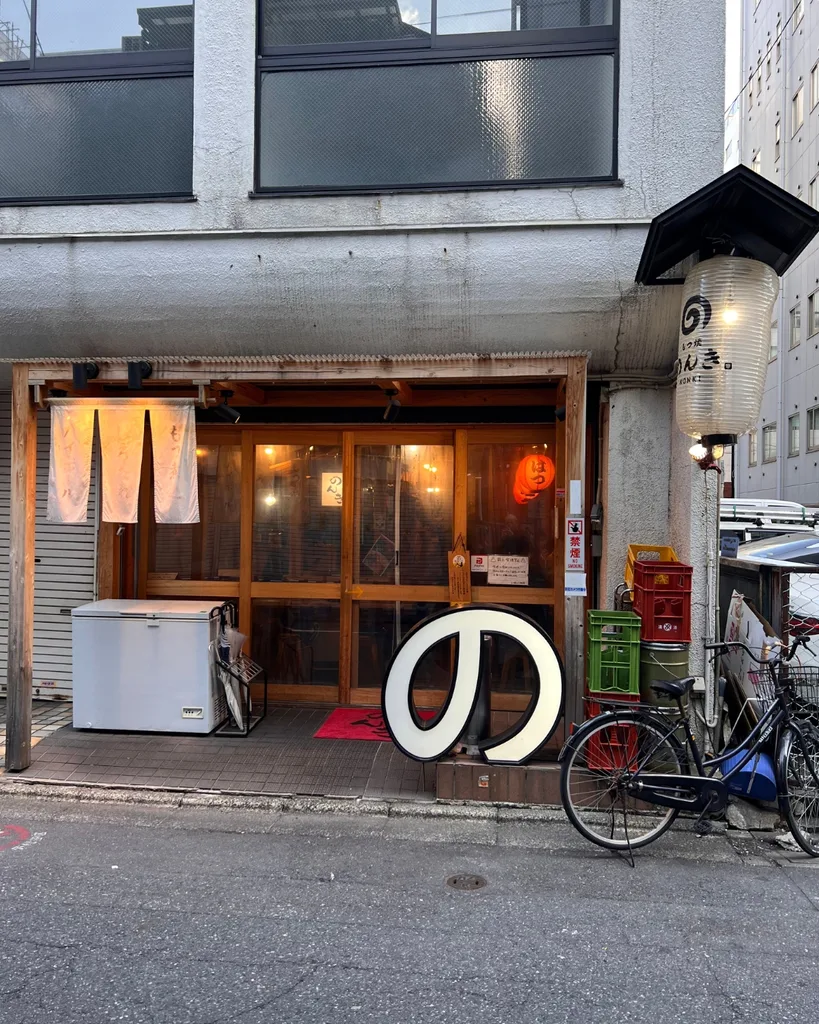
Maybe you like eating barbecue in a more casual setting? Tokyo offers rich pickings, starting with its myriad yakitori (grilled chicken) spots. But for anyone looking to expand horizons, Nonki is a gateway to the pleasures of motsuyaki or “grilled offal”. Sharp prices plus speedy service equals a lively crowd that pile into the various Nonki outposts to inhale grilled tongue, liver, heart and other porky and beefy B-sides. Highballs, draft beer (namabiru) and local sake (jizake) fuel the revelry while QR code ordering – something that’s become more commonplace in Japan – helps travellers navigate the menu.
Sasuga, Ginza
Yes, hunting down regional ramen styles can be fun, as is ordering “chilled udon with broth” in Japanese. (Reverse Google Translate it if you must). But surely soba – especially handmade or teuchi soba – is the country’s ichiban noodle? The finest examples are chewy, nutty, one hundred percent buckwheat and known as juwari soba. Splendid juwari soba is just one reason to seek out this soigne, approachable restaurant in old Ginza where you can enjoy the good stuff served on elegant yakimono (handmade pottery) alongside a glass of Champagne.
Ahiru store, Tomigaya
A pioneer of the natural wine movement in Tokyo, Ahiru Store has championed the organic and the biodynamic for almost two decades. Co-owner Teruhiko Saito doesn’t just buy great bottles: he holds onto them until they’re in their drinking prime then offloads them by the glass at sweet prices. Now factor in excellent bistro cooking via Saito’s sister Wakako – chunky country-style pâté! That trademark octopus and avocado salad! – and it’s little wonder fans queue early to snag one of the 10(ish) seats inside this destination bolthole.

Tsukiji Fish Burger MASA, Tsukiji
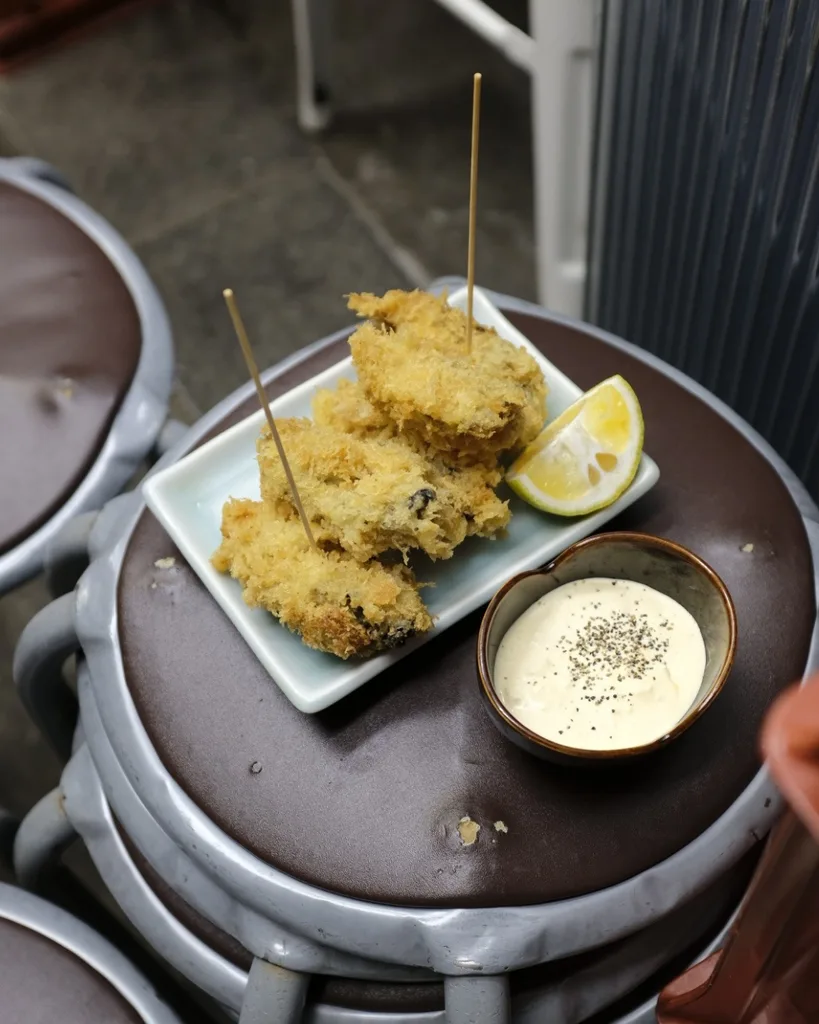
Although the wholesale side of Tsukiji Fish Market is now in Toyosu, Tsukiji’s bustling “outer market” continues to pump. Like Masa’s prosaic name suggests, fish burgers are the star attraction – fried cod is the standard order with fancier scallop and oyster variants also available – but seasonal treats like plump fried oysters and sashimi warrant attention (not least because owner Masa Takasaki also distributes seafood.) While the counter seats just four, eaters can make camp anywhere in the alleyway that Masa calls home.
Shirosaka, Akasaka
Welcome to Akasaka: one of Tokyo’s key corporate, business and diplomatic hubs. While our official embassy is in nearby Mita, this 12-seat kaiseki restaurant from former Tetsuya’s sous Hideki Ii has also helped strengthen Australian-Japanese ties. Like any self-respecting sumibi kappo (“charcoal cooking”) chef, Ii can grill with the best of them – that lustrous char siu! – but his range goes well beyond barbecuing. Pristine seafood and quail’s egg artfully arranged in a golden rice flour shell is a signature for good reason, while his handmade soba is a revelation. Warm service via cheery restaurant manager Kota Kaito seals the deal.
Sake Bar Kagura, Monzen-nakacho
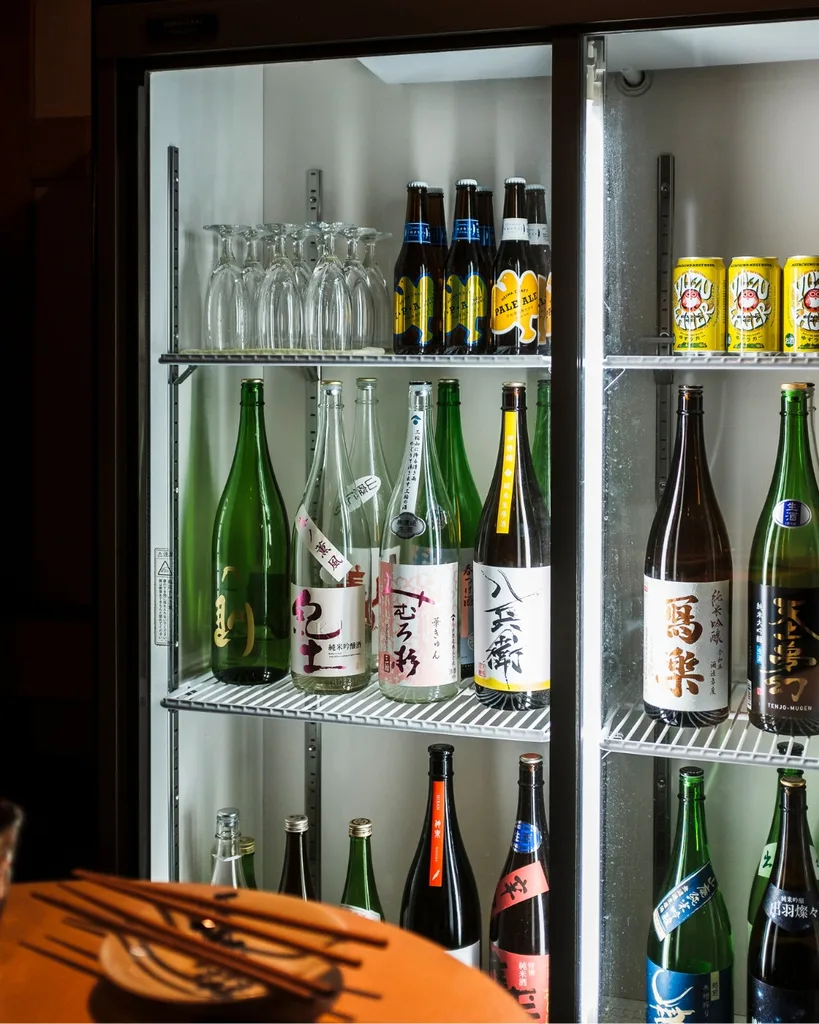
“Drinking food” means different things everywhere. Across Europe, it’s wine and cheese. In China, baiju and stinky tofu. The Japanese, meanwhile, pound sake (the catch-all for alcohol; what we call sake is known as nihonshu) with otsumami, or simply “snacks”. While the definition of modern-day otsumami is broad, these savoury bites were traditionally salty and meaty. Preserved items – pickled Nozawana greens in soy sauce, perhaps, or salted squid – were also popular. They’re everywhere in Japan and designed to encourage guests to order another round, but no such problem at this composed neighbourhood bar slinging artisan nihonshu at attractive prices.

