Matthieu Salvaing
Like all the most interesting cities, the French capital is both steeped in history and constantly evolving. But which is the real Paris? Following close consultation from locals in the know, it turns out there’s really no need to pick a lane. Presenting the best of both worlds, so you can mix and match to your heart’s content.
Where to eat and drink
Old-school charm
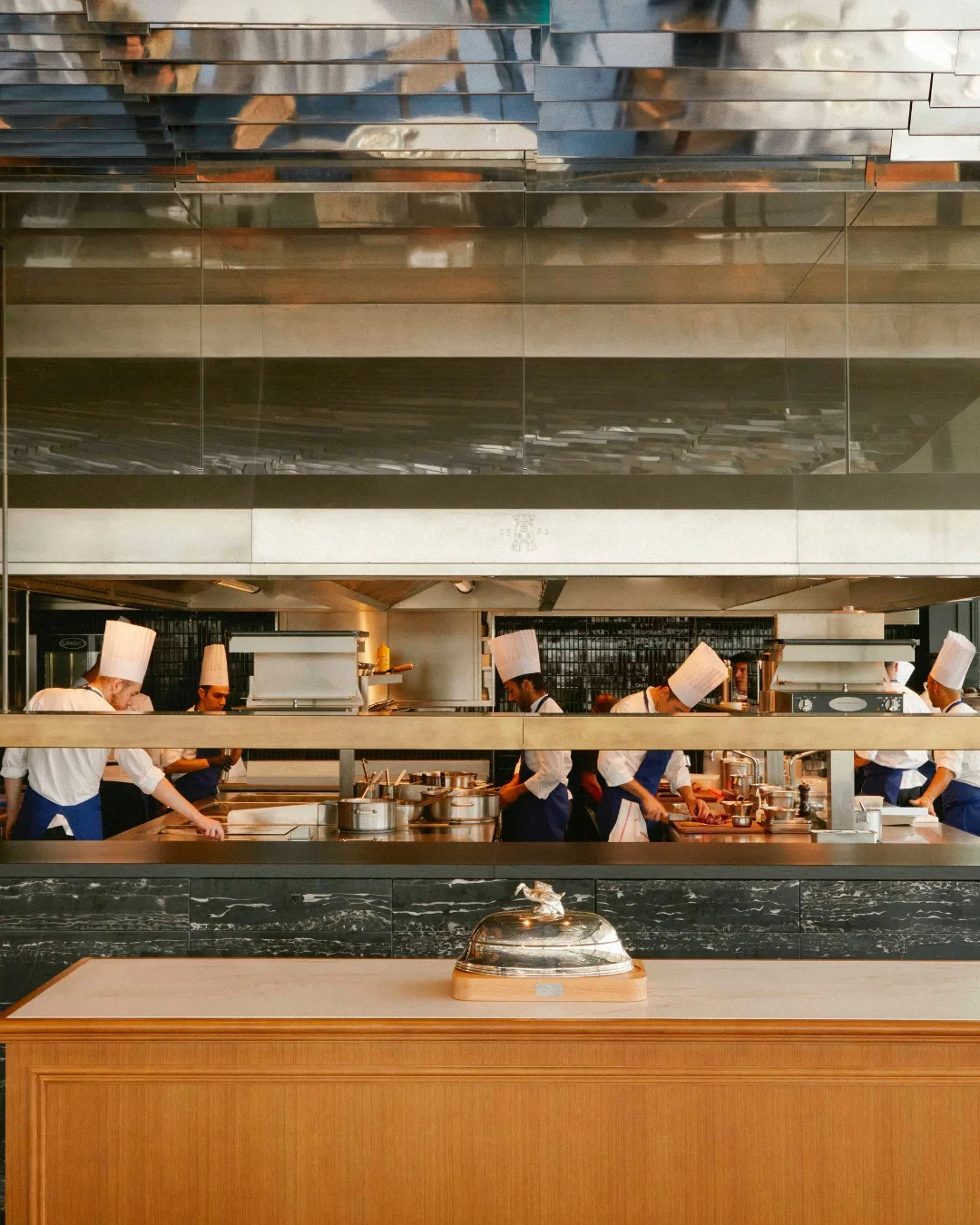
You’d be hard-pressed to find a Parisian dining room with older roots than the one recommended by Alexis, a delicatessen owner in the 17th arrondissement. “La Tour d’Argent,” he says, rolling a cigarette and sipping a chardonnay apéro. When Tour d’Argent opened in 1582, it welcomed French kings. Today, tourists, not royalty, throng around nearby Notre-Dame, while diners come for the restaurant’s 300,000-bottle cellar and its signature Frédéric Delair duck. After roasting, the duck is brought into the dining room and carved at the table. The carcass is then squeezed in a traditional silver press to extract the juices, which are reduced into a rich “blood sauce” that’s poured over the meat and served alongside soufflé potatoes.
For a more evolved version of Paris’s old guard, three-Michelin-starred chef Alain Passard opened L’Arpège in 1986, and has been gently shifting it towards vegetable led haute cuisine since 2001. Last year, he completed the transition, removing meat, dairy, eggs and fish from the menu altogether.
Zeitgeist bites
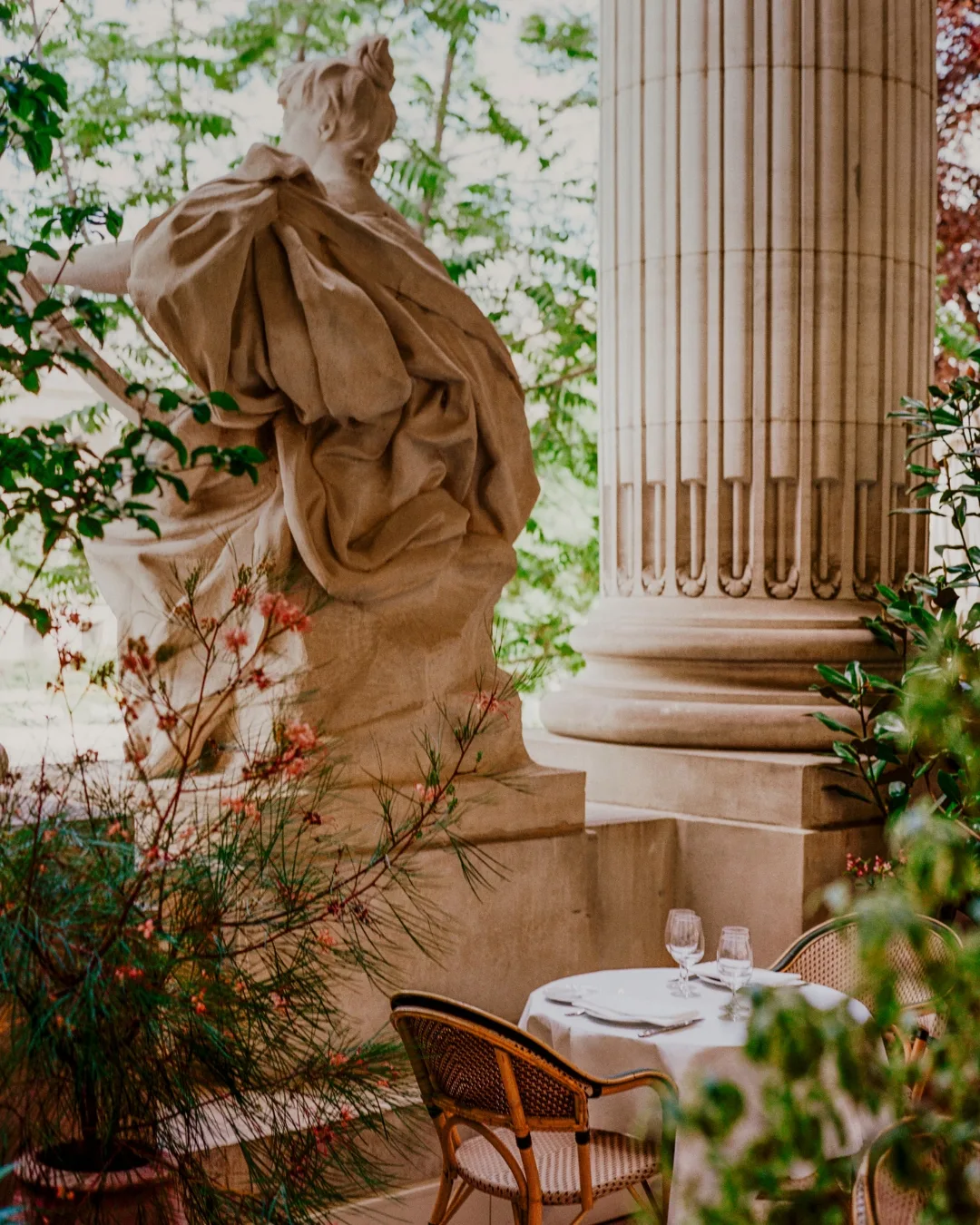
In contrast, the city’s most anticipated openings don’t always feel compelled to reinvent the wheel. With waiters in crisp uniforms weaving between long lunchers and dusty-rose lamps glinting off silver platters piled with lobster, king crab and langoustines, Le Grand Café in the Grand Palais is an ode to the Belle Époque’s elaborate brasseries. As a wispy millefeuille is sliced tableside in the iron-and-glass behemoth of the Grand Palais, you could be at the building’s 1900 launch rather than its restaurant that opened in 2025.
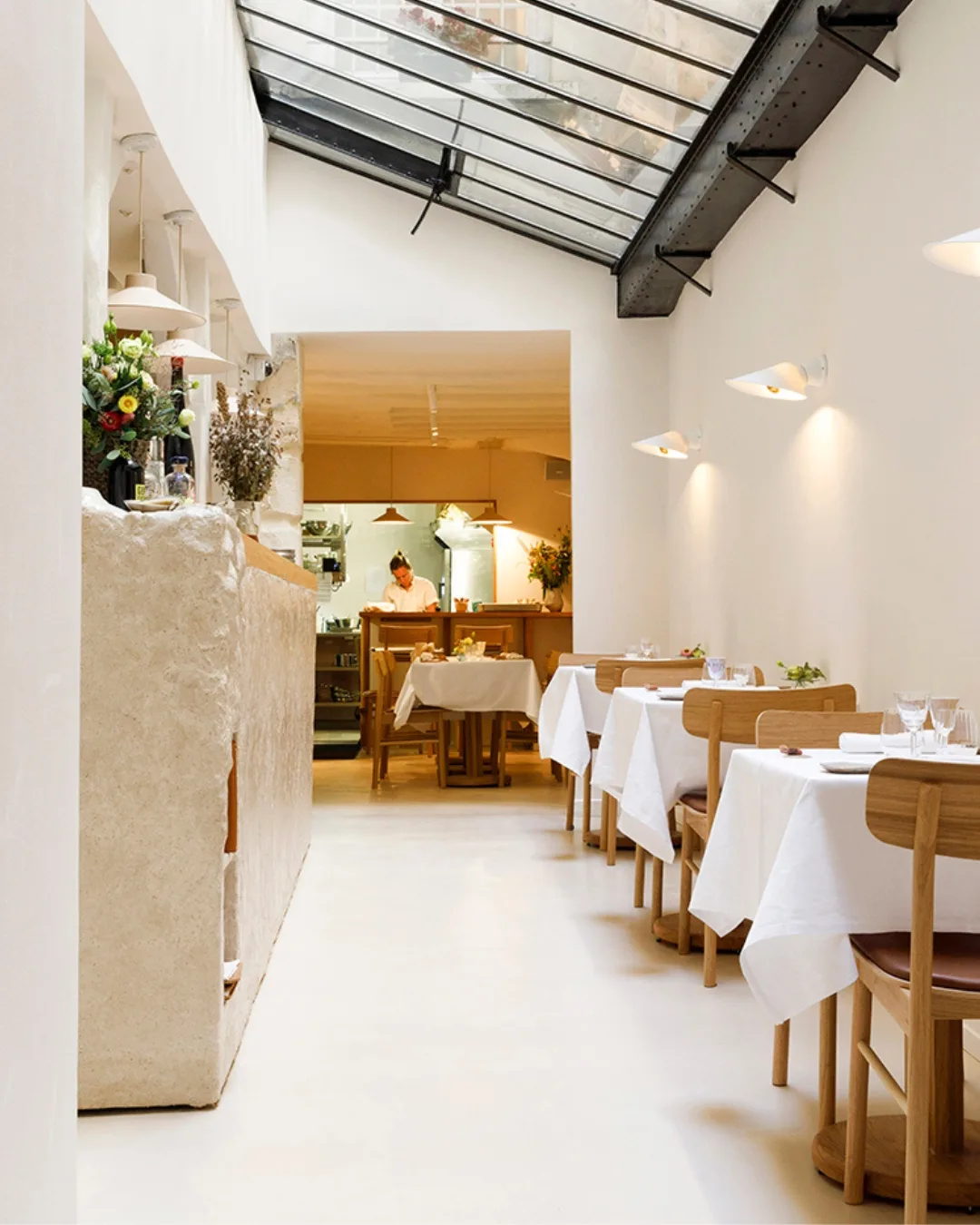
Another highly coveted table is the plant-forward Datil, which feels more like someone’s home than you might expect of a Michelin-starred Parisian dining room. Hidden behind a curtained entrance in the Marais, this stylish terrace restaurant lets herbs, blossoms and spring vegetables take centrestage. Whether it’s a flower-pressed cracker and avocado with grapefruit and geranium oil, or a sip of sake with a dark-chocolate mouthfeel, each element arrives with an origin story from the staff. “For me, this is the new luxury,” says maître d’hôtel Adèle Nogues. “Knowing what all the talented producers are doing right now.”
As for bars, Parisians love a new spectacle. Open since April at the Trocadéro, Bigoudi belongs to the rosé-sipping bright young things of 2026, perched on a Riviera-inspired rooftop overlooking the Eiffel Tower.
What to see and do
Everlasting jewels
Since 1905, Musée des Arts Décoratifs – located behind the Louvre – has been schooling visitors on French design history with its million-plus object collection. An afternoon spent with everything from gorgeous Renaissance altar pieces to Art Nouveau cabinets remains as bewitching as the medieval jewels in Galerie des Bijoux. Alternatively, if your idea of luxury design is the hedonistic ’80s and supermodel ’90s, stop in at the Fondation Azzedine Alaïa. Hidden in a courtyard, it honours the revered Tunisian-French couturier who, for better or worse, popularised the body-con dress.
Future classics
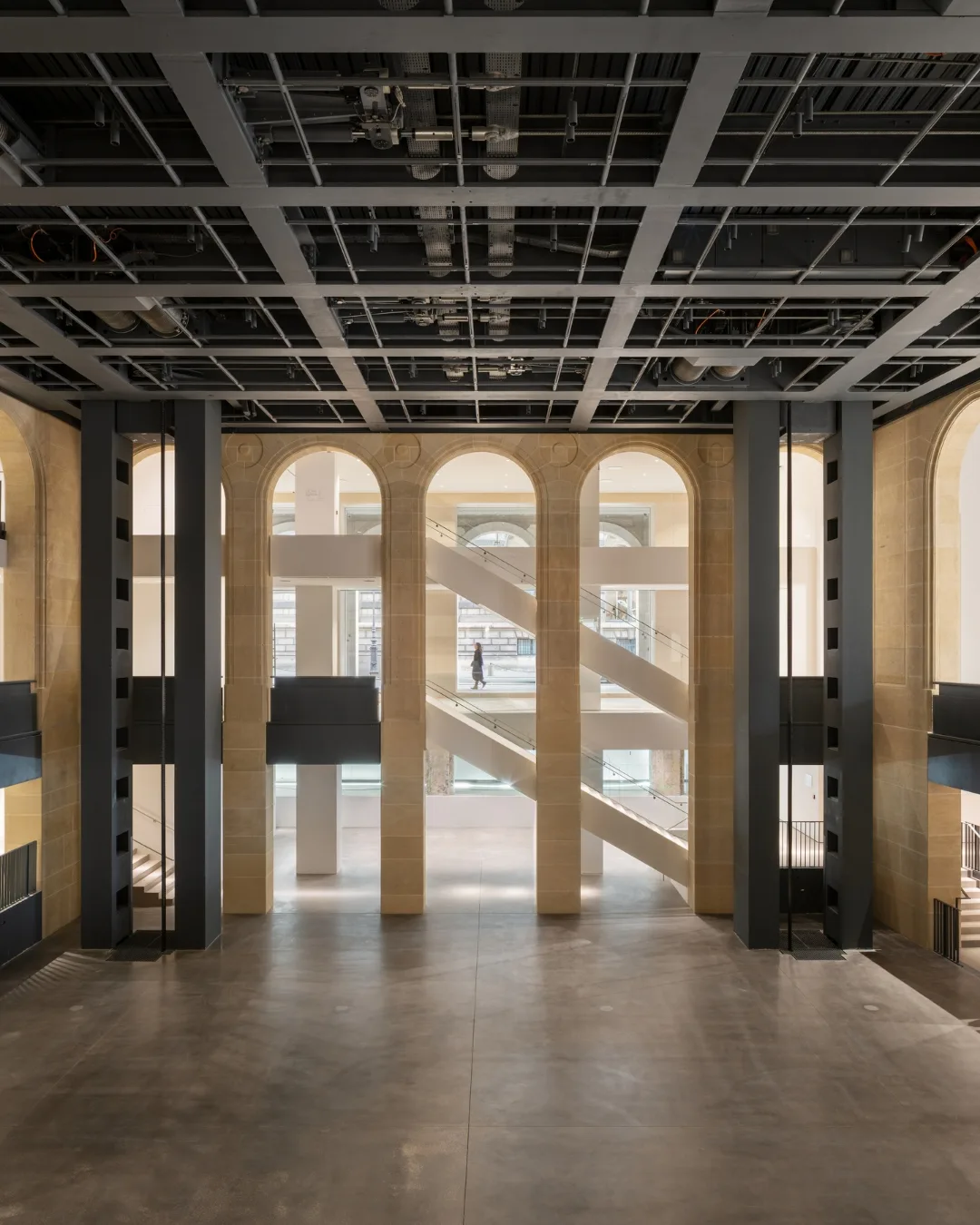
Not all contemporary art lives on the Paris fringe. Fondation Cartier pour l’Art Contemporain moved in October to the 1st arrondissement, from its original 1984 spot. Wander through the works, and don’t forget to marvel at the genius of architect Jean Nouvel’s redesign: installing giant movable that rise and fall at the whim of each new curator.
In September, it’s set to welcome a restaurant by the one of the world’s most Michelin-starred chefs, Anne-Sophie Pic, which is another compelling reason to go. Paris might be famous for its creative minds of the past, but the brand-new Nanna literary barge is where you’ll meet the next generation. Moored near Notre-Dame Cathedral since May, the floating cultural space hosts book launches, podcast recordings and writing workshops that morph into parties up on deck. For those who believe passion and ideas belong together, check the calendar: you might find anything from literary speed dating to an erotic book club. Below deck, shelves of second-hand books invite visitors to settle in, borrow one or two and – naturel element – leave behind a favourite of your own.
Where to rest your head
New stays
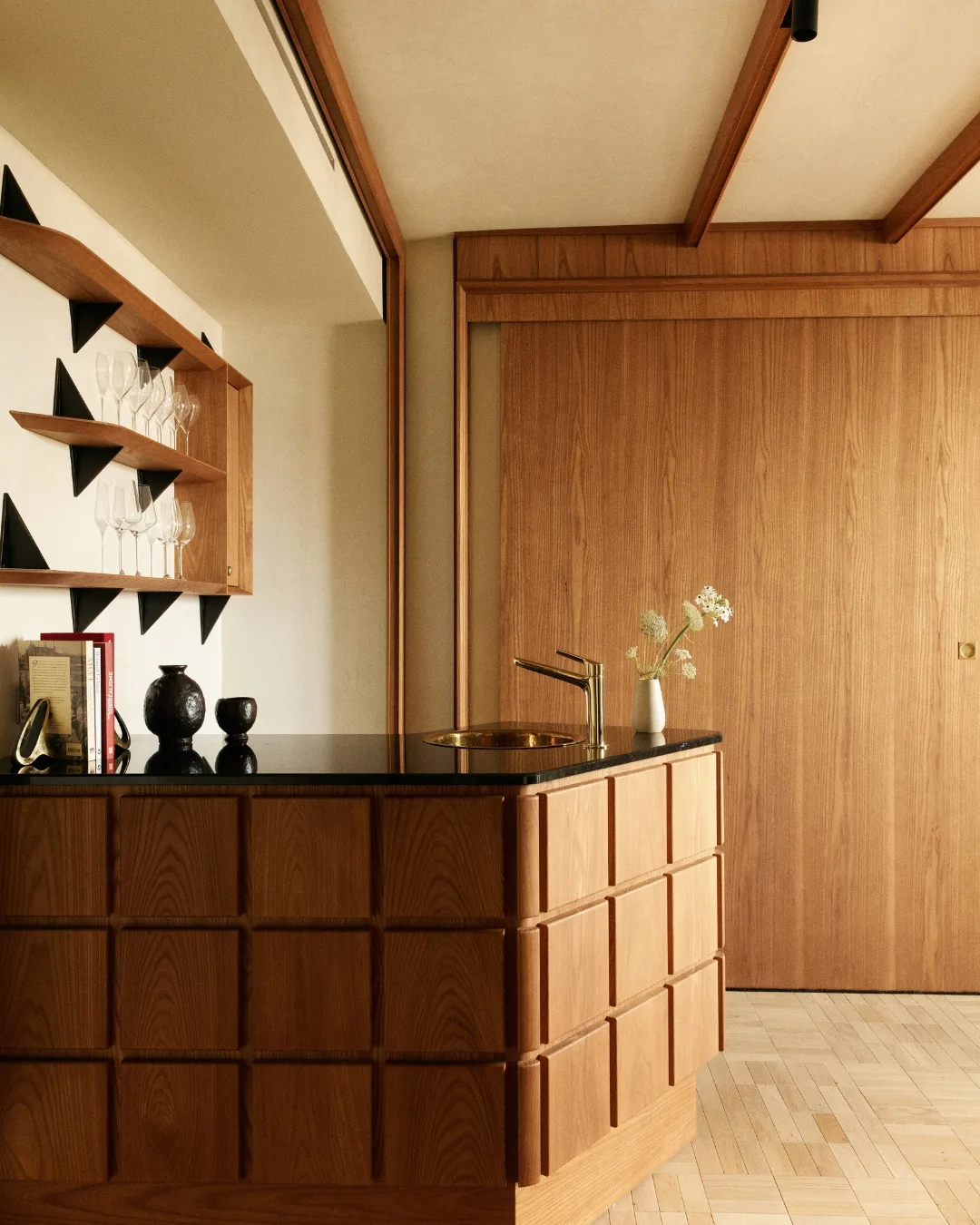
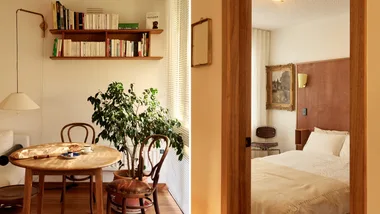
Paris’s hottest hotels aren’t just places to stay; they’re neighbourhood hangouts. On quiet Rue Legendre in th 17th arrondissement, a 1960s Brutalist parking garage has been transformed into La Fondation. As well as revelling in the painfully cool mix of ’70s and ’80s decor, guests can wake to views of Sacré-Cœur. Meanwhile, well-heeled locals come for coworking spaces, Pilates classes, rooftop drinks and even its giant indoor climbing wall. But Paris has always been at its most seductive after dark. Close to the Moulin Rouge, Pigalle’s legendary Bus Palladium music venue has been reborn as a 35-room hotel designed by Studio KO. The original neon sign still glows outside, while within, the Dalí Suite honours the artist who famously arrived here with a pet panther on a leash.
Classic check-ins
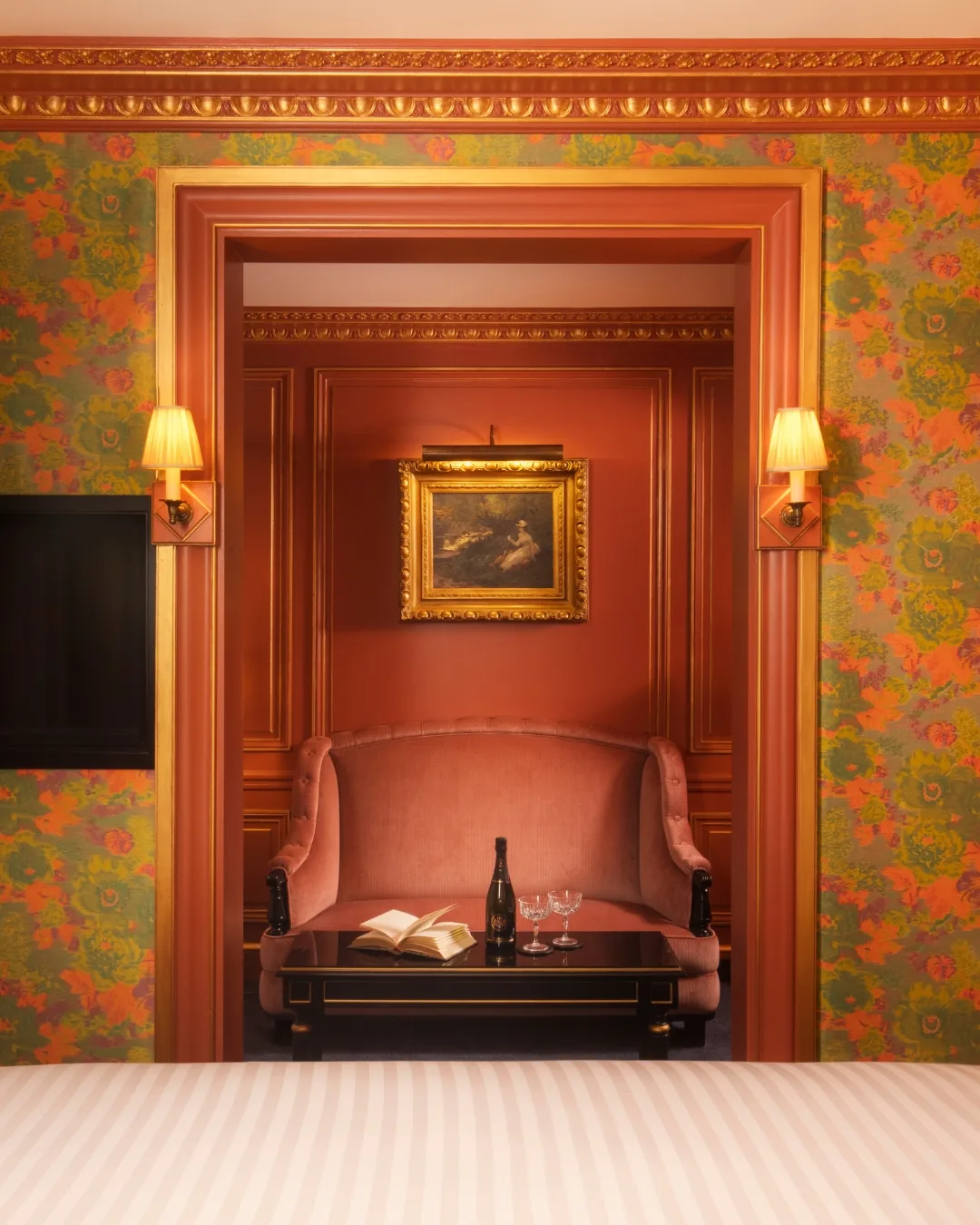
Lovers of the written word will adore Maison Proust, a 23-room boutique townhouse devoted to Marcel Proust. Read a book beneath the midnight-blue ceiling scattered with twisting golden dragons and stars, slip into the Orientalist-inspired pool for a private swim, and watch chicly dressed Parisians arrive for La Mer treatments. It’s also home to one of Paris’s most famous bars, known for world-class cocktails as well as Friday-night shifts by legendary bartender Colin Field, who spent three decades behind Bar Hemingway, at Ritz Paris.
This, too, is an outstanding option – particularly for those whose literary tastes skew more global, Ritz Paris having been famously popular with writers including Oscar Wilde, Ernest Hemingway, and F. Scott Fitzgerald and his wife Zelda. More than 125 years after opening on Place Vendôme, crystal chandeliers still illuminate its Louis XV salons, and Champagne goûter remains a must. If you feel like queuing for the tiny Bar Hemingway – named after the writer who (allegedly) drank 51 Dry Martinis here to celebrate the liberation of Paris in 1944 – be sure to set aside €3000 from your holiday budget for a Ritz Sidecar.

Related stories
Native ad body.
Native ad body.
Native ad body.