

Medinet Habu is among the most breathtaking temple complexes in Egypt. Raised by Ramesses III on the west bank of the Nile at Luxor, its vast painted reliefs tell in hieroglyphic detail the story of a civilisation under siege – the temple’s completion, remarkably, wrested from the jaws of invasion, palace conspiracy and the slow unravelling of a dynasty. Dedicated to the supreme creator Amun-Ra, its walls enclose an older temple of Hatshepsut, Egypt’s female pharaoh – a dual sanctity that long outlived its builder.
From adversity, greatness. And Egypt, it turns out, has form. On 1 November, 2025, the Grand Egyptian Museum opened its doors at Giza, heralding one of the most seismic cultural events of the 21st century. The largest museum dedicated to a single civilisation, it took two decades to construct, delayed by the Arab Spring, derailed by a failing economy and a pandemic, and shadowed by the spectre of regional war. Long enough to turn anticipation into legend – and with good reason.
Tutankhamun’s gilded journey into the afterlife has long captivated a global audience. Here at last, all 5000-plus objects recovered from the boy king’s tomb are gathered under one roof for the first time since Howard Carter prised it open in 1922, among them pieces never before shown to the public. It’s the most dazzling collection of its kind, enshrined alongside 100,000 artefacts charting the full sweep of ancient Egyptian civilisation. Beyond the glass, the pyramids rise in the haze of the Giza plateau, as they have for millennia.
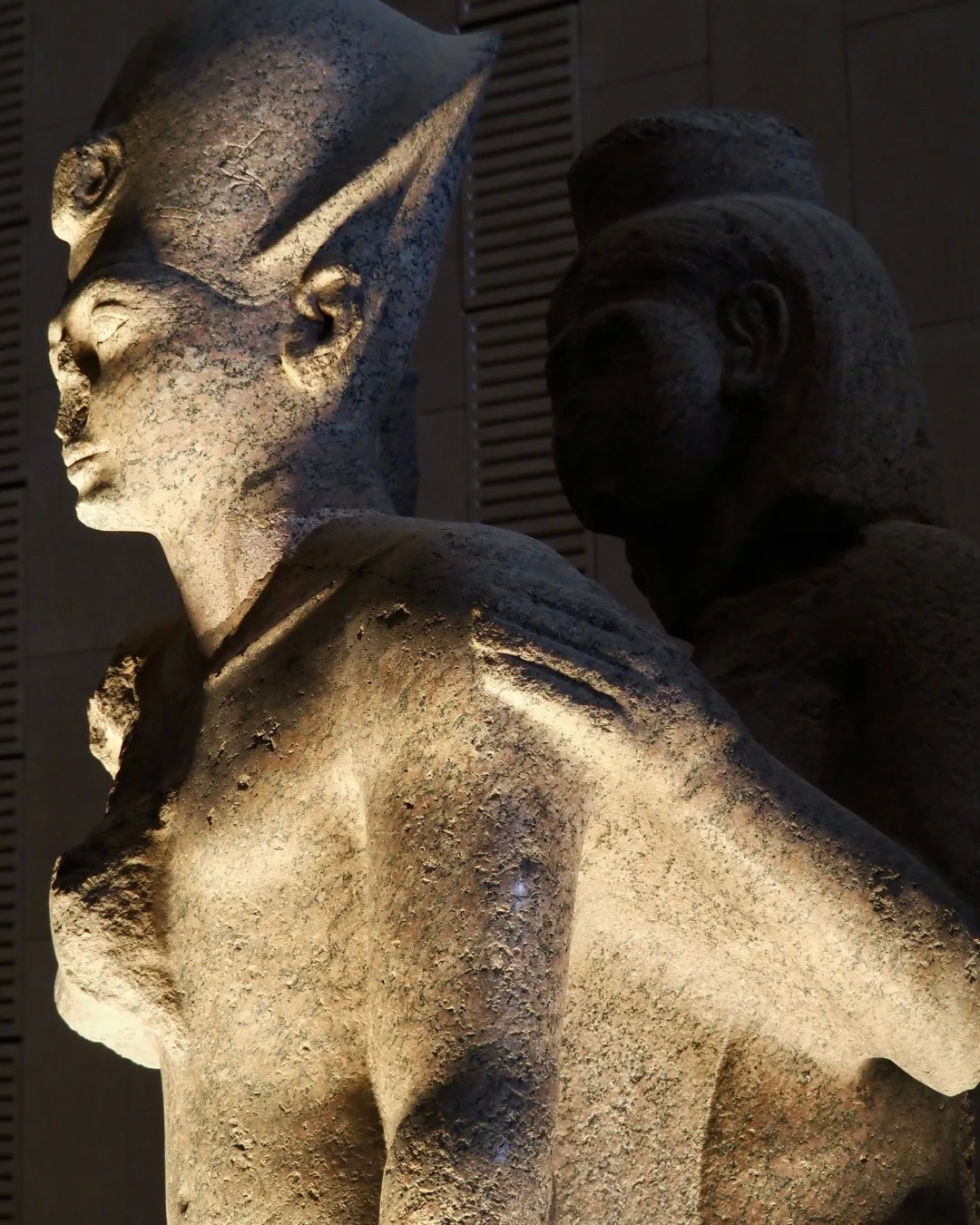
From the colossal granite statue of Ramesses II to the never-before-seen leather-and-gold chariots of Tutankhamun, the contents are jaw-dropping. The architecture is a harder sell. Much like Utzon at the Opera House, Heneghan Peng, the Dublin-based architects who won the tender, were excluded from the project in 2014 – to the building’s detriment – as was the diaphanous alabaster meant to clad the structure, replaced by cheaper Sinai marble cut in cheesy triangles to mimic the pyramids. At times, the interior feels like a shopping mall.
Flaws aside, it’s an extraordinary achievement. For two centuries, Egypt’s treasures were catalogued, excavated and carried off by colonial powers, from Napoleon to the British Museum. It’s this, rather than scale, that makes the museum grand: Egypt telling its own story, on its own soil and own terms. Meanwhile, downtown Cairo is flourishing – and it has Tutankhamun to thank for it. The relocation of the collection to Giza has siphoned tourists from Tahrir Square, allowing the original Egyptian Museum, a Beaux Arts pile in rose-pink stucco, to rediscover itself, freed from the tyranny of a single boy king. What remains is ravishing and far less crowded than before.
Built from 1867 on the instructions of Khedive Ismail, the Paris-loving grandson of Muhammad Ali Pasha, Khedival Cairo was designed to out-Haussmann Haussmann. Neglected since the 1952 revolution, the Belle Époque boulevards, Art Deco arcades and grand neoclassical façades are stirring once more. The streets hum with the energy of a city reclaiming its identity – chaotic, creative, alive – quietly drawing more discerning visitors away from the Vegas-style hotels along the Nile.
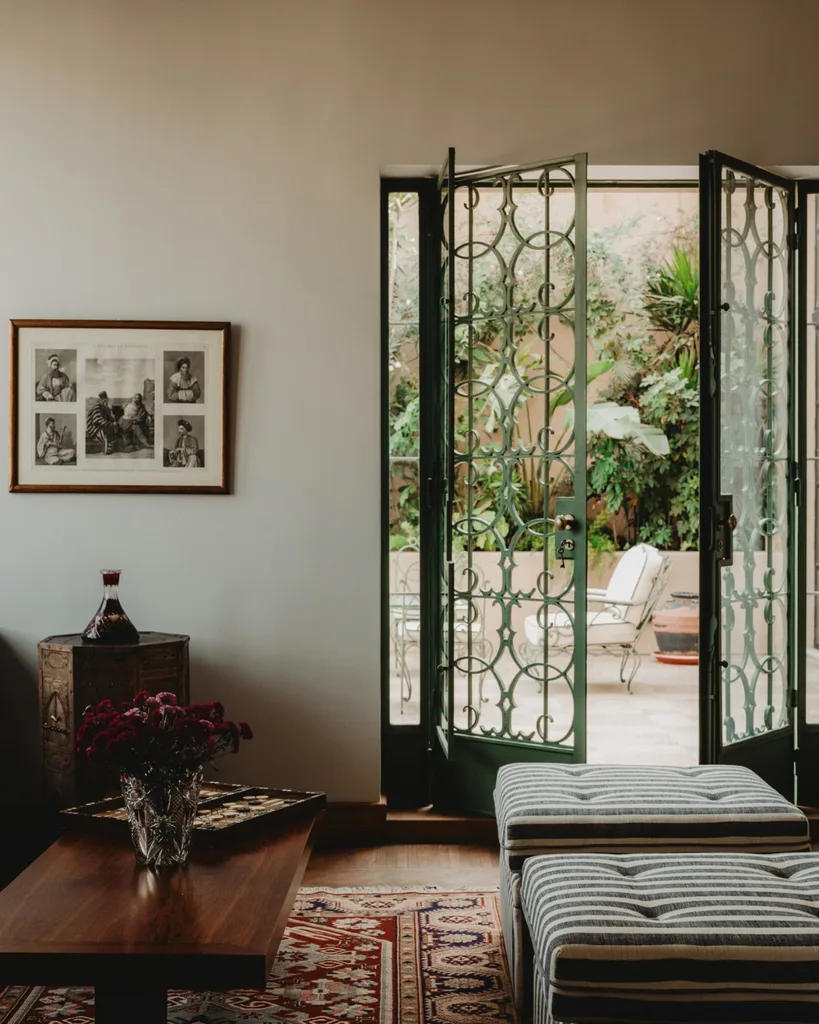
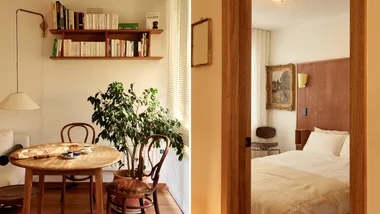
Perched atop a curvaceous 1930s skyscraper – once the tallest building in Africa and the Middle East – Immobilia says everything about the city’s second act. Home to four apartments and a clubhouse that might just be the most beautiful interior in Cairo, Immobilia feels less hotel and more key to a vanished city. There’s the provenance: one apartment served as the Icelandic embassy; another belonged to a friend of King Farouk. Omar Sharif, Leila Mourad and Kamal El Sheikh – the Hitchcock of Egyptian cinema – number among Immobilia’s former residents. And then there are the spaces themselves; the kind of eclectic, bohemian chic that almost nobody pulls off.
Tuareg mats, Venetian mirrors, embroidered Ottoman textiles, Syrian furniture, a Jules Leleu dining suite and 1950s Murano dissolve into the sensual lines of Art Deco. Lining the walls are 19th-century photos, Egyptian movie posters and contemporary works by Barry Iverson, courtesy of Tintera Gallery in Zamalek. Suzanis cover sofas, while beds are dressed in exquisite linens from Malaika. Deep terraces overlook the crumbling rooftops of Cairo, prayer calls rising high above the honking energy of the streets below. Head butler Ali was formerly majordomo to the American ambassador; chef Adel’s food is the best in Egypt.
The brainchild of lawyer and hotelier Florian Amereller, Immobilia forms the gateway to a portfolio of properties under the banner of Egypt Beyond – an atmospheric travel platform that traces the Nile south, from the capital deep into Upper Egypt.
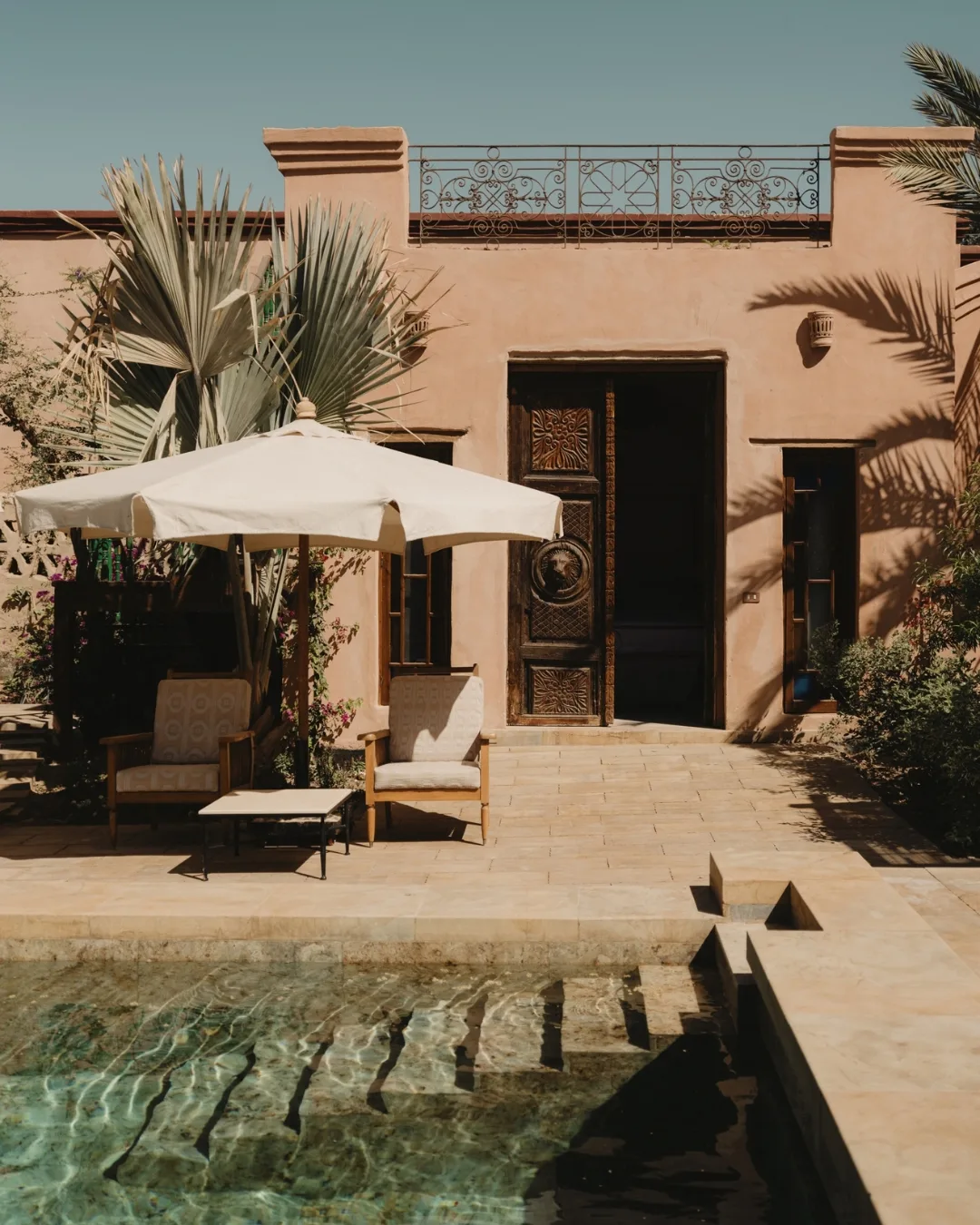
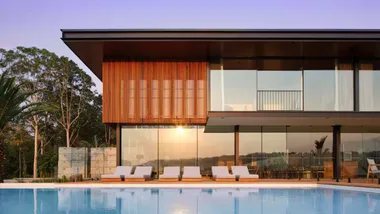
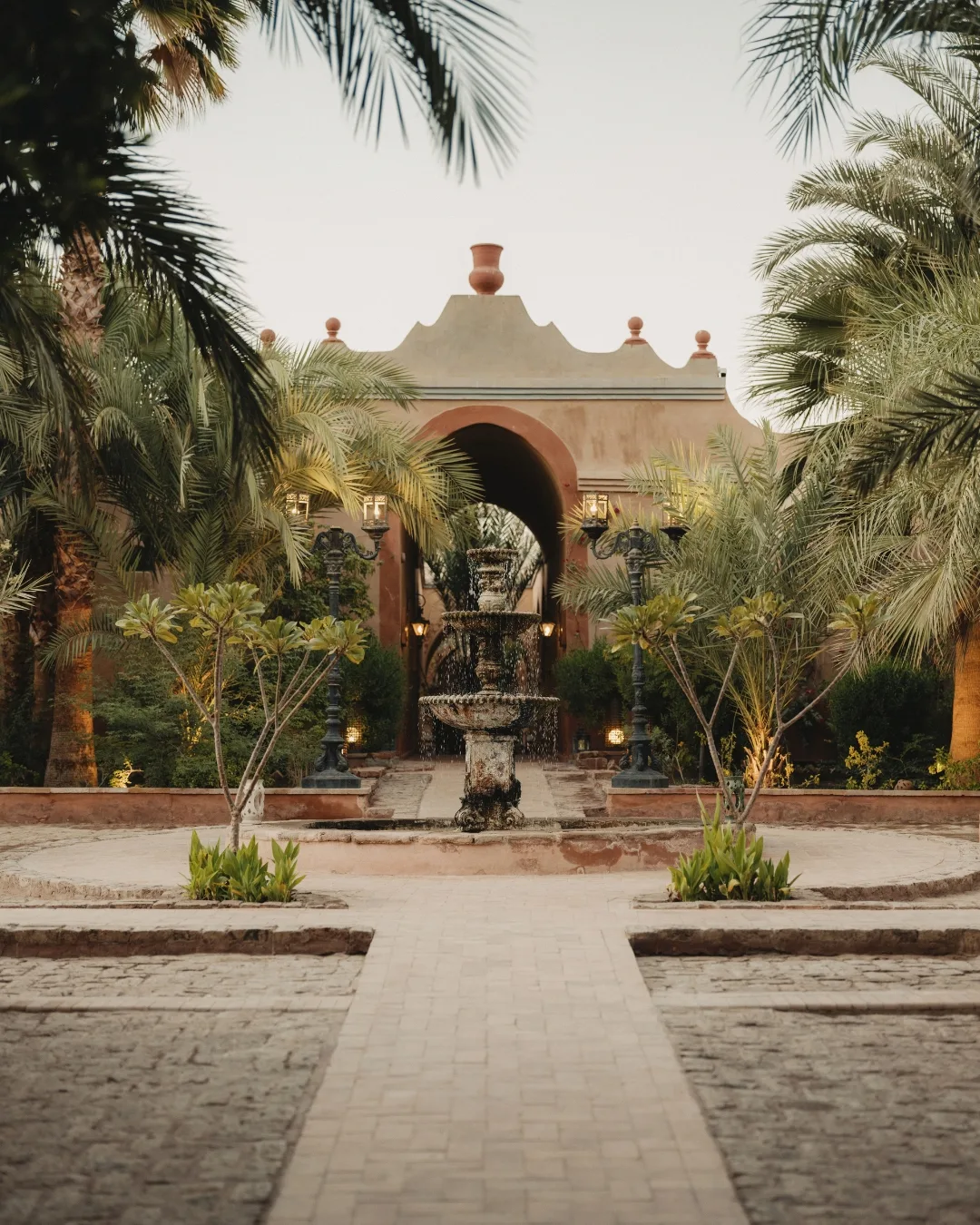
Al Moudira (“the lady boss” in Arabic) takes its name from Lebanese interior designer Zeina Aboukheir, who amassed a trove of reclaimed architectural elements from demolished palaces and brought together hundreds of artisans to create a hotel of rare beauty on Luxor’s west bank. Built in the early 2000s as an antidote to the influx of bland internationalism, it was conceived with French-Egyptian architect Olivier Sednaoui, whose domes, arches and mud-brick techniques drew on the vernacular traditions of Hassan Fathy. Amereller bought Al Moudira in 2022, adding his own quiet improvements while leaving Aboukheir’s vision intact.
This desert oasis is as gorgeous as they come. Al Moudira’s maze of interconnected courtyards and villas is home to 54 rooms and suites, no two the same. Think brass beds, domed ceilings, windows in jewel-coloured glass and antique and vintage furniture from across the region. The hotel is surrounded by lush gardens and farmland, much of which ends up on the plate. At the recently launched Farm Kitchen, chef Gioconda Scott serves elevated rustic fare cooked in wood-fired ovens. (Al Moudira aims to be carbon neutral and entirely self-sufficient by 2030.) Packed with Art Deco and Ottoman pieces, the Eastern Bar is like a portal to Agatha Christie.
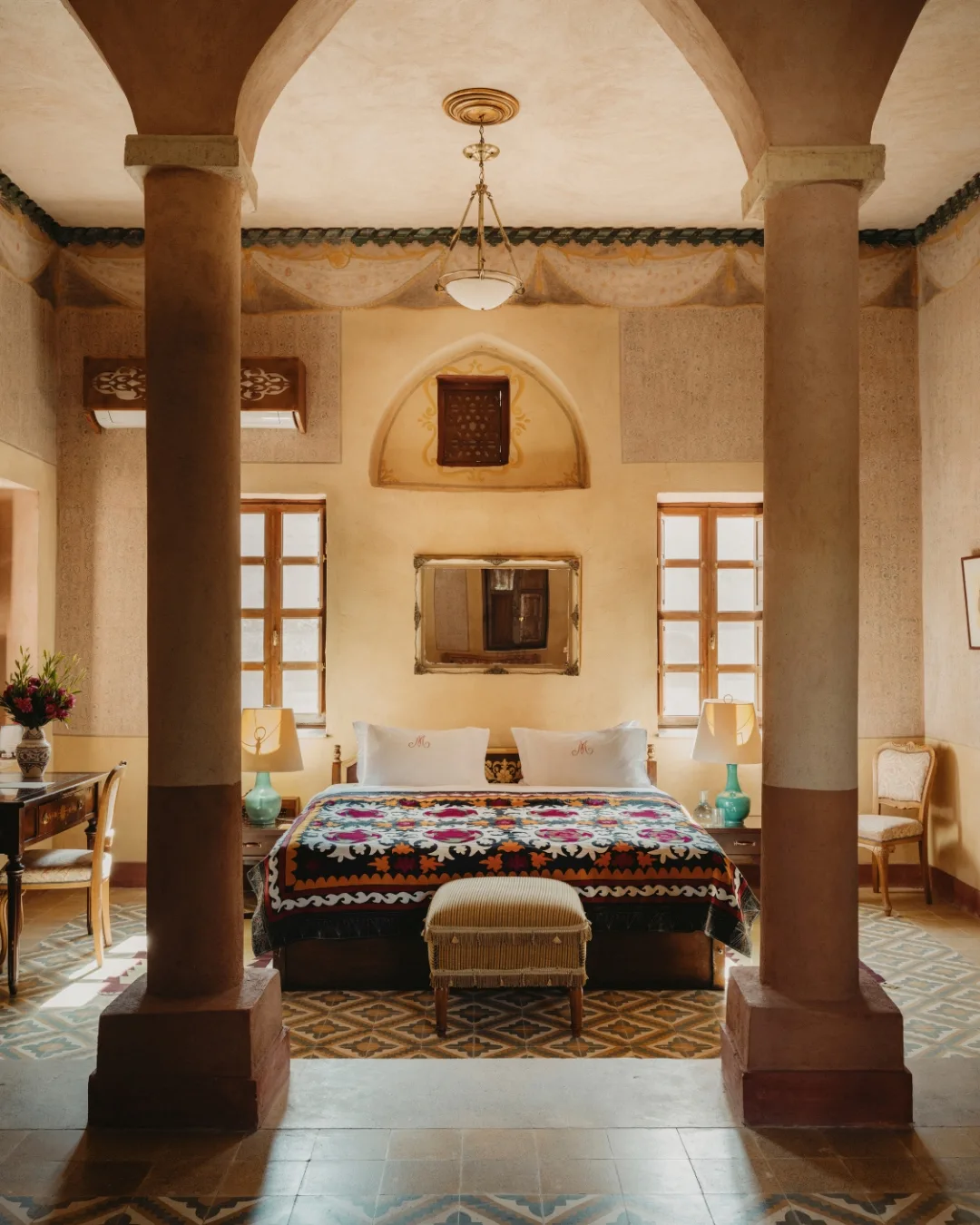
Whatever you book won’t be enough. Our five nights felt too short to enjoy Luxor’s delights and to sink into Moudira’s unhurried rhythms. Time for a session with Lavkush, the resident yogi; to fall asleep under a palm tree reading a book; for a spin in Moudira’s fleet of vintage cars – like our sunset jaunt along desert backroads to Medinet Habu in a 1960s stretch Mercedes. Aboukheir continues to consult, her influence running through everything that followed, including Immobilia and Amereller’s three dahabiyas – traditional shallow-bottomed sailing boats with a history as long as the Nile.
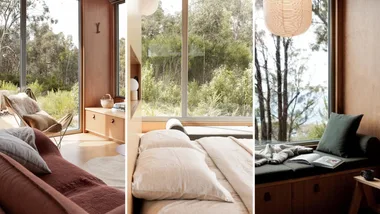
Joining Set Nefru and Yalla Nile, Nile Canopus launched in December 2025, Egypt’s first Relais & Châteaux vessel. Six cabins are among the most spacious on the Nile, with king-size brass beds, writing desks, Uzbek textiles and ensuite bathrooms in dazzling green tiles; four suites feature private balconies. A salon-library doubles as a dining room if temperatures drop, gold-embossed menus in Venetian red leather as sumptuous as they come.
Not that you’ll want to be indoors. The upper deck beckons, with a long table perfect for dining en famille, draped in embroidered Malaika linens (Margarita Andrade, founder of Malaika, is Amereller’s wife). Cane sofas, brass tray tables, cut-crystal lamps and kilims in sun-baked colours recall Egypt’s golden era of travel, when Amelia Edwards spent a winter sailing the river for her celebrated account, A Thousand Miles Up the Nile.
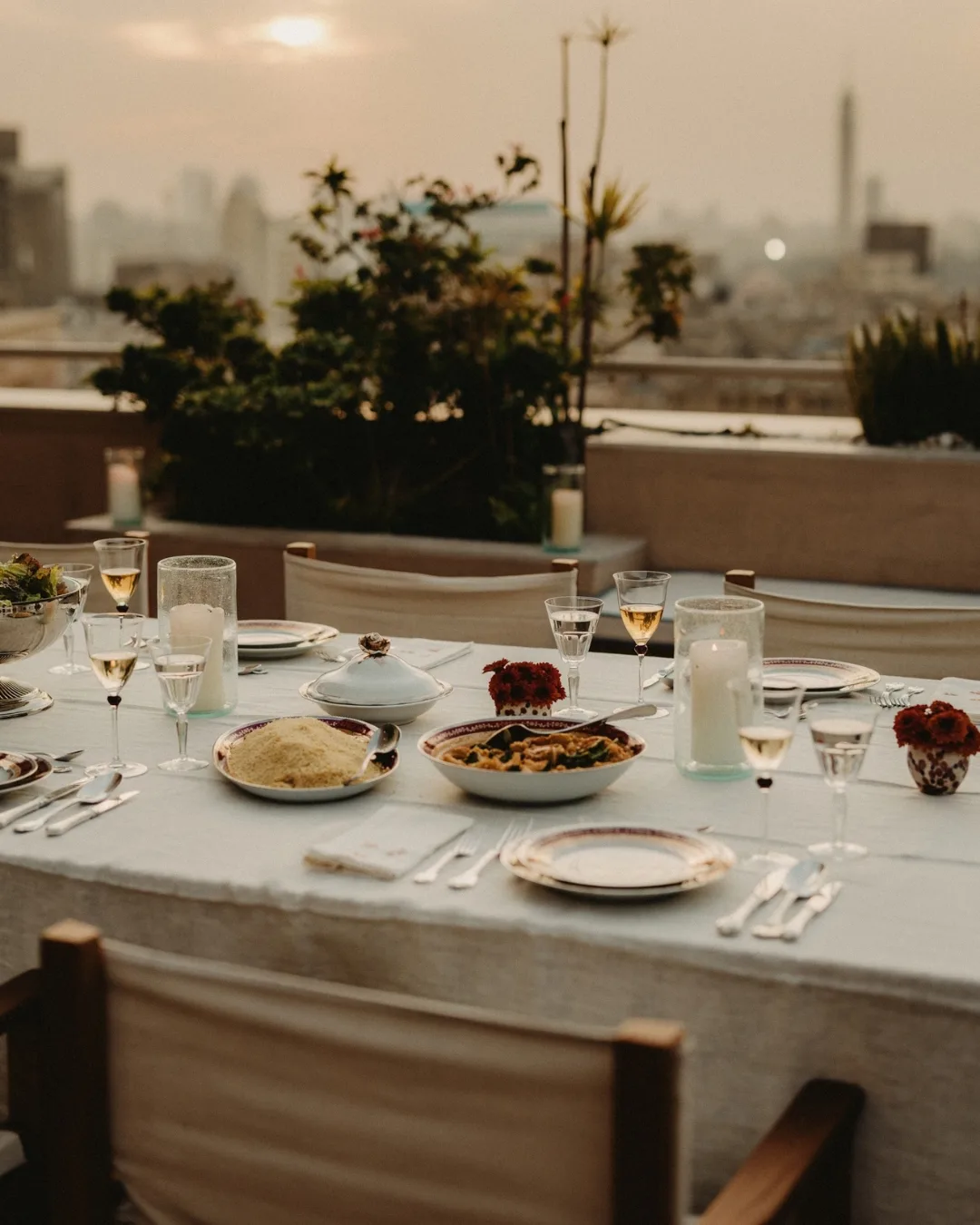
Upstairs on the sun deck, four-posters in carved timber make for dreamy daybeds, scenes of river life floating by, occasionally modern but for the most part biblical. Donkeys graze, buffalo plough fields, children play by the water’s edge, date palms cut romantic profiles against the desert landscape. The galley matches the setting and the fare is all-inclusive: temple and village visits with expert guides, alcoholic beverages and laundry; barista coffee in monogrammed china, fresh fruit and just-baked croissants, long lunches and superb four-course suppers under the stars.
The temples alone justify the journey: the Colossi of Memnon, sentinels of a lost empire cutting magnificent silhouettes against the hills of ancient Thebes; Dendera north of Luxor, home to the only known depiction of Cleopatra; the four Ptolemaic temples within easy reach of Canopus – Esna, Edfu, Kom Ombo and Philae. Something I’d forgotten, though, returning after three decades, was the sweet and gentle loveliness of the Egyptian people.
Viewed through the Orientalist lens, early Egyptologists saw little to no connection between the “great” ancients and the Egyptians they encountered. To their European minds, the centuries of Islamic Egypt were a kind of dark ages. (You need only visit Ibn Tulun Mosque in Cairo, standing since 879 AD, to know how wrong they were.) A 5000-year-old thread, though, runs through Egyptian genetics, dialect, agriculture, craft and music.
I landed in Cairo during Ramadan, when Muslims fast to practise self-control and experience what it’s like to go without. In Egypt, particularly, the scenes are extraordinary: streets across the country are hung with tinsel and, underneath, long tables are set out by mosques and wealthy families to break fast, feeding those in need. It brings to mind the ancient Egyptian concept of Ma’at – goddess of cosmic balance, generosity, rightness – that underpins contemporary Egyptian hospitality. Ancient Egyptians believed that Ma’at was the force that held the universe together. They built for eternity; in more ways than one, they succeeded.

Related stories
Native ad body.
Native ad body.

Native ad body.